









Yes, you can absolutely wear contact lenses if you have presbyopia. This age-related vision condition, which typically begins in your 40s, makes it difficult to focus on close objects like text messages or restaurant menus. While presbyopia affects nearly everyone eventually, it doesn't mean you have to give up the convenience and freedom of contact lenses.
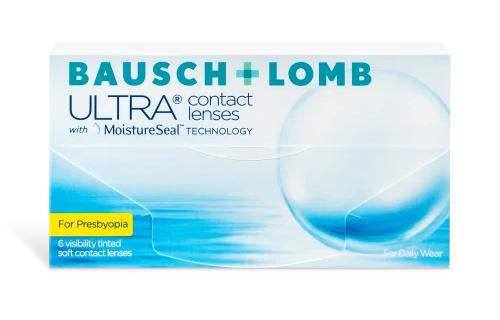
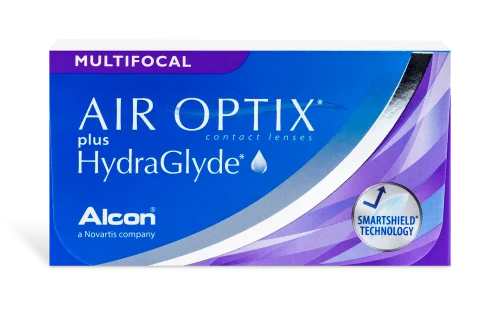
Presbyopia occurs when the natural lens in your eye becomes less flexible over time. This makes it harder for your eye to change focus between distant and near objects. Many people notice they need to hold reading materials farther away to see them clearly, or they start experiencing eye strain when doing close-up work. Two excellent presbyopia lenses are the Ultra for Presbyopia and Air Optix Hydraglyde Multifocal.
Multifocal Contact Lenses: Your Best Option
Multifocal contact lenses are specifically designed for presbyopia and work similarly to progressive eyeglasses. These lenses contain multiple prescription zones that allow you to see clearly at various distances. The center of the lens typically handles near vision, while the outer zones correct distance vision, though designs can vary.
Your brain learns to automatically select the appropriate zone based on what you're trying to focus on. While there may be a brief adjustment period as you get used to multifocal lenses, most people adapt within a few days to a week.
Modern multifocal contacts come in daily, weekly, and monthly replacement schedules, giving you flexibility in your wearing routine. Both soft and rigid gas permeable options are available, depending on your eye health and lifestyle preferences.
Alternative Solutions
If multifocal lenses don't work well for you, monovision might be another option. This approach involves wearing a contact lens for distance vision in one eye and a lens for near vision in the other eye. Your brain learns to favor the appropriate eye for different tasks.
Some people also choose to wear single-vision distance contacts and use reading glasses when needed. This hybrid approach works particularly well for people who primarily need sharp distance vision throughout the day but only occasionally need help with close-up tasks.
The key to success with presbyopia and contact lenses is working with your eye care professional to find the right solution for your specific needs and lifestyle. They can evaluate your vision, discuss your daily activities, and help you try different options until you find the perfect fit. Don't let presbyopia keep you from enjoying the benefits of contact lens wear.