









If you're over 40 and finding it harder to read small print or see close objects clearly, you might have presbyopia. This natural aging process affects everyone eventually, making the eye's lens less flexible and reducing its ability to focus on nearby objects.
The good news is that contact lenses can effectively correct presbyopia, giving you clear vision at all distances without the need for reading glasses or bifocals.
How Multifocal Contact Lenses Work
Multifocal contact lenses contain different prescription zones within a single lens. These zones provide varying powers to help you see clearly at different distances — near, intermediate, and far. Your eyes naturally learn to use the appropriate zone depending on what you're looking at.
There are two main designs. Simultaneous vision lenses present multiple focal points to your eye at once, allowing your brain to select the clearest image. Alternating vision lenses work more like bifocal glasses, with distinct areas for distance and near vision that you access by moving your eyes.
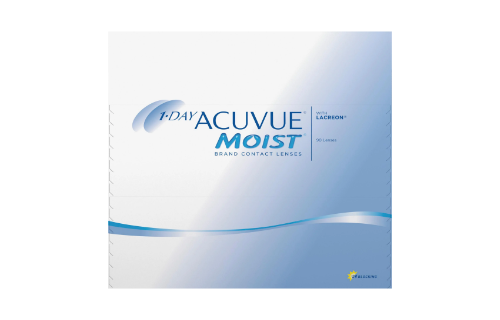
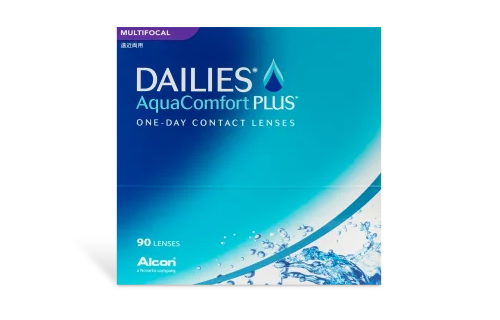
Daily disposable multifocal lenses offer the ultimate in convenience and hygiene. Popular options include Acuvue Moist Multifocal and Dailies AquaComfort Plus Multifocal. These lenses eliminate the need for cleaning solutions and reduce the risk of eye infections since you start fresh each day.
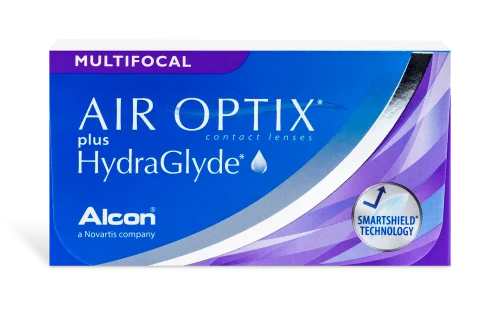
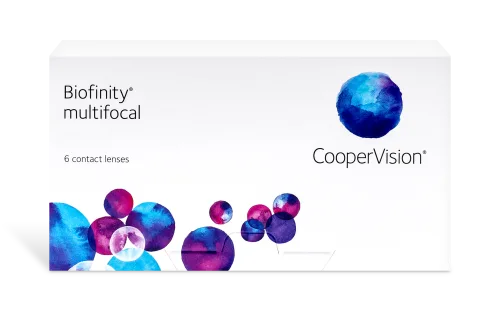
For extended wear, monthly multifocal lenses like Air Optix Aqua Multifocal and Biofinity Multifocal provide excellent value and advanced materials that allow more oxygen to reach your eyes. These lenses are designed for all-day comfort and crisp vision.
Finding Your Perfect Fit
Success with multifocal lenses often depends on proper fitting and realistic expectations. Your eye care professional will measure your eyes and discuss your lifestyle needs to determine the best lens design for you.
Some people adapt to multifocal lenses immediately, while others need a few days or weeks to adjust. During this adaptation period, you might notice slight differences in your vision compared to single-vision lenses, particularly in low light conditions.
Monovision is another presbyopia solution where one eye wears a distance lens and the other wears a near lens. While this approach works well for some people, multifocal lenses typically provide more natural vision since both eyes work together at all distances.
The key to successful presbyopia correction with contacts is working closely with your eye care provider to find the right lens type and fit for your individual needs. With today's advanced multifocal designs, most people can enjoy clear, comfortable vision throughout their day.